How to cook a chicken breast that is not dry
Breast is the leanest cut on the bird and the easiest to ruin. Two thermometer numbers, one knife cut and a dry pan surf...
Your cart is empty
Start typing in the search field above to see instant search results.
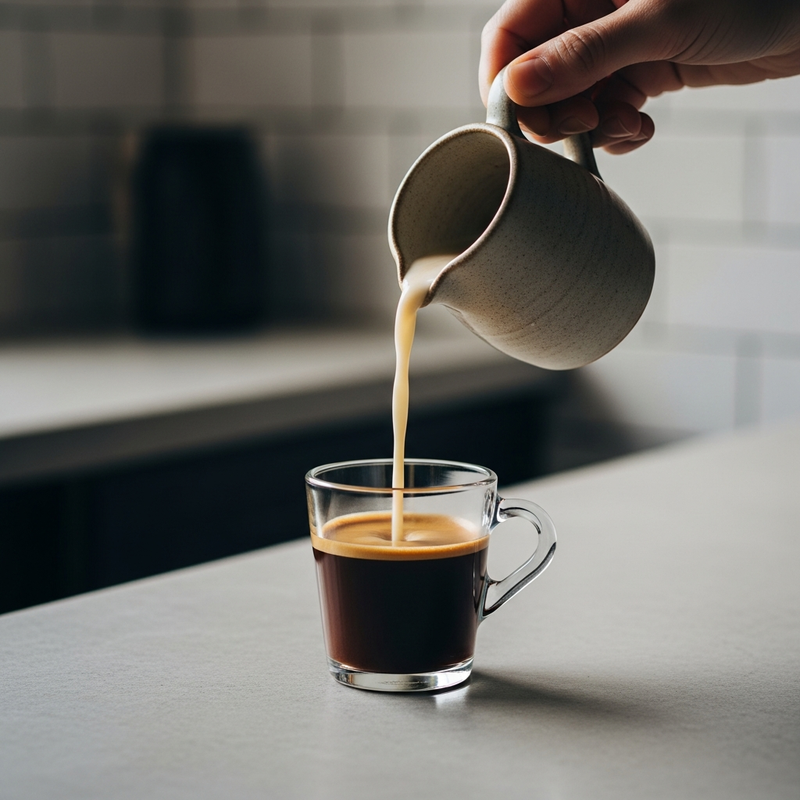
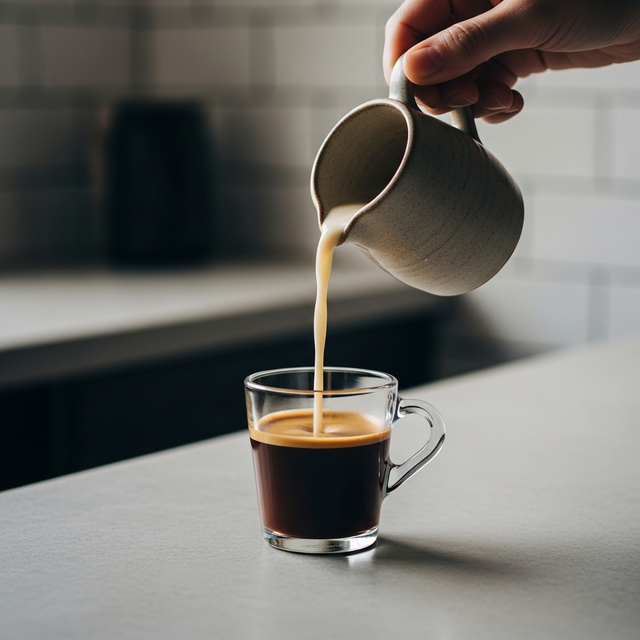
You pour oat drink into a fresh espresso and it flecks, curdles, and settles into little pale islands on the surface. The next morning, same carton, same machine, and it foams into a silky flat white. Nothing about that is random. Three variables decide it, and once you know which one moved you can stop it happening.
Plant proteins are far less stable in acid and heat than dairy proteins. A barista formulation is not marketing — it is a buffered, protein-adjusted recipe designed to survive espresso.
Espresso sits around pH 5, and light Ethiopian and Kenyan roasts are the most acidic of all. Oat and almond proteins clump — flocculate — when they meet acid, especially hot acid. Dairy resists this because casein is stabilised by calcium and phosphate that act as a buffer. Most plant drinks have no such buffer, so the proteins fall out of suspension the moment the pH drops.
Which is why a light, bright single origin curdles the same drink that a dark roast handles perfectly. If you love acidic coffee and plant milk, the fix is not to change the coffee — it is to change the drink.
Turn the carton around. A barista formulation such as Verdant Mill barista oat drink is doing three things a standard oat drink does not: it carries a higher protein content, usually three grams or more per 100 ml, so there is enough protein to build a stable foam; it includes a small amount of added fat, typically rapeseed oil, because fat is what gives microfoam its texture; and it contains a buffering salt, most often dipotassium phosphate, which holds the pH steady when espresso hits it. That last ingredient is the one doing the heavy lifting, and it is why the same brand’s standard carton splits while the barista one does not.
Worth saying plainly: a split cup is unpleasant to look at but perfectly safe to drink, and the taste is barely affected. If you are cooking rather than making coffee, the same rules apply in reverse — add plant drink to a hot pan off the heat, and never boil it with lemon, vinegar or wine unless you want a grainy sauce.
Far easier than espresso, because filter coffee is much more dilute. Almost any oat drink behaves in a V60 or a cafetière. If it still flecks, your coffee is either extremely light-roasted or too hot — let the cup stand a minute and it usually goes away.
Black tea is less acidic than coffee, so splitting is rare, but strongly brewed tea with a slice of lemon anywhere near it will curdle plant drinks instantly. Leafwright Earl Grey loose leaf tea takes oat drink well if you add the drink to the cup before the tea and skip the lemon — the bergamot is doing that job already.
A cheap handheld whisk works fine on barista oat. Heat the drink to just below a simmer in a pan — when it steams but does not bubble, that is 60 °C — then whisk at the surface for ten seconds and submerge for another ten. A jar shaken hard and microwaved for thirty seconds also works, and is the cheapest cappuccino in existence.
Verdant Mill barista oat drink, single-origin beans and loose leaf tea — the morning shelf, in one order.
Breast is the leanest cut on the bird and the easiest to ruin. Two thermometer numbers, one knife cut and a dry pan surf...